

From Earth to Table: Cosimo Mammoliti’s New Cookbook Tells The Story of Terroni

It’s Friday morning at Terroni’s Spaccio East commissary kitchen and restaurant, near Toronto’s Distillery District, and I’m sitting across from Cosimo Mammoliti, the founder of Terroni.
We’re sipping espresso from a mezzanine-level dining area watching bakers prep tiramisu and knead dough. Despite his demanding schedule as the owner of one of Toronto’s top restaurant groups (there are four Terroni locations across the city and three international outposts), Cosimo spends every Friday with his team here, tasting new ingredients, overseeing operations and, more recently, developing Terroni’s first cookbook, La Cucina di Terroni.
Though initially reluctant to share Terroni’s Southern Italian recipes with the world, Cosimo wanted people to see the depth behind every dish. “Everything we do is intentional and done with care,” he says. “The bread is baked fresh daily, pasta is made at our Terroni Sterling location, and we butcher our own meat and make our own sausage.” It’s a lot of work. And not just work for work’s sake — Cosimo’s team has been refining its process for more than 30 years and continues to push to get better. “Terroni grew with simple, genuine food,” says Cosimo. “In the book, you’ll see there aren’t a lot of ingredients. We don’t cover things up or hide behind a dish.”

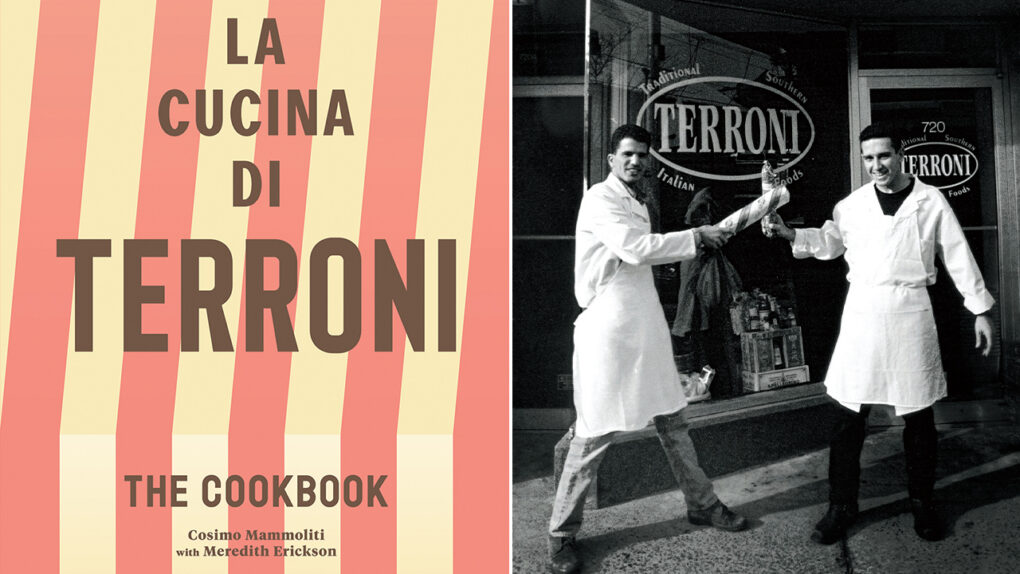
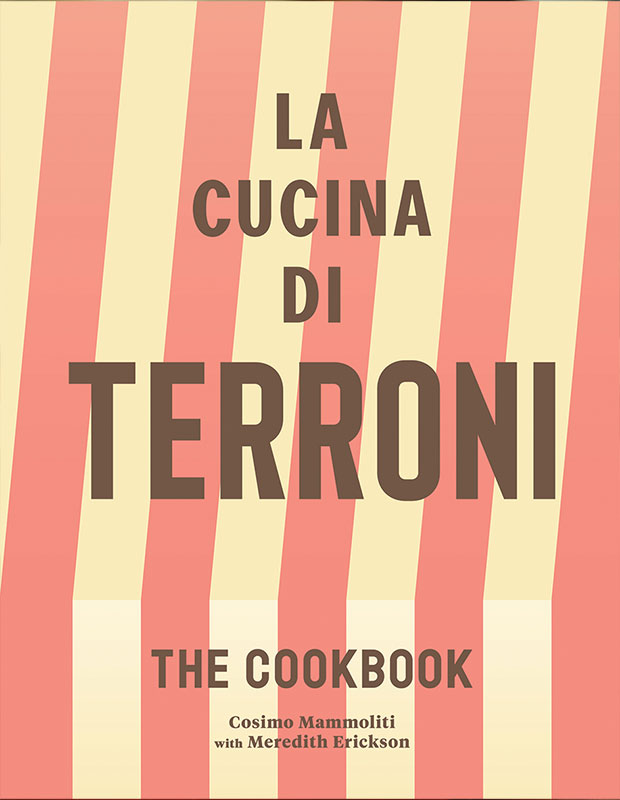
La Cucina di Terroni by Cosimo Mammoliti with Meredith Erickson. Simon & Schuster Canada, 2025, $50.
In La Cucina di Terroni, you’ll find iconic recipes including Spaghetti al Limone, Funghi Assoluti and Cannoli, as well as underrated staff favourites like Pizza San Giorgio — a tribute to San Giorgio Morgeto in Calabria.

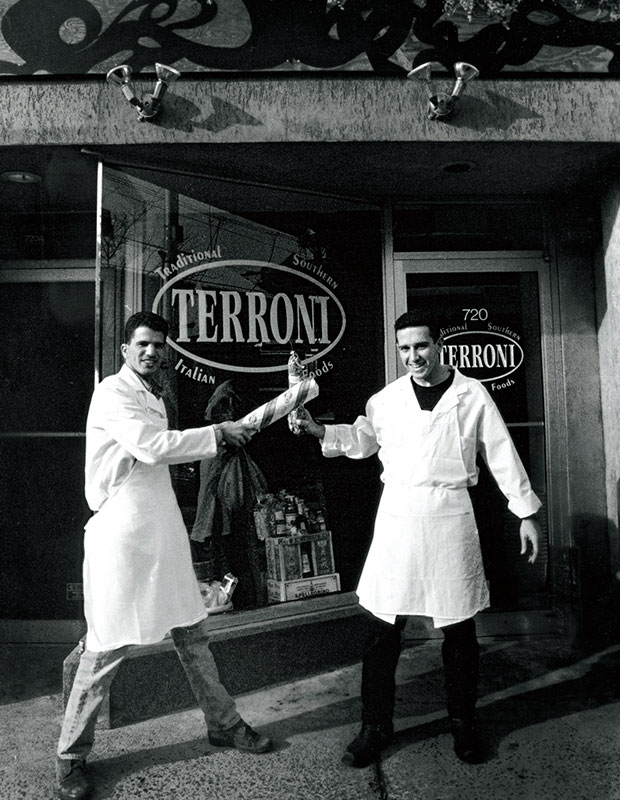
Cosimo Mammoliti (left) and business partner Paolo Scoppio opened Terroni as a small Queen West storefront in 1992.
Terroni started as a small Italian goods store serving deli sandwiches in 1992. The word terrone means “from the dirt” or “from the earth.” In Cosimo’s parents’ generation, it was once a derogatory term used to describe Southern Italians, who were thought to be poorer and less educated. With a desire to reclaim his ancestors’ food, Cosimo has worked hard to shift the perception of what Southern Italian cuisine is, and can be.
Related: 3 easy skillet recipes from chef Lidia Bastianich

Terroni’s West Hollywood location opened in 2007.
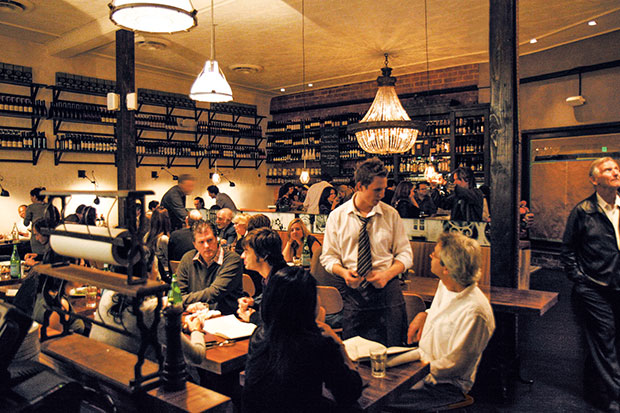
He credits Terroni’s success to a humble yet thoughtful approach to Italian food — a contrast to the overly formal style of Italian dining in the 1980s and ’90s. You don’t need to order a bottle of fine wine to feel welcome at one of his restaurants, for instance.

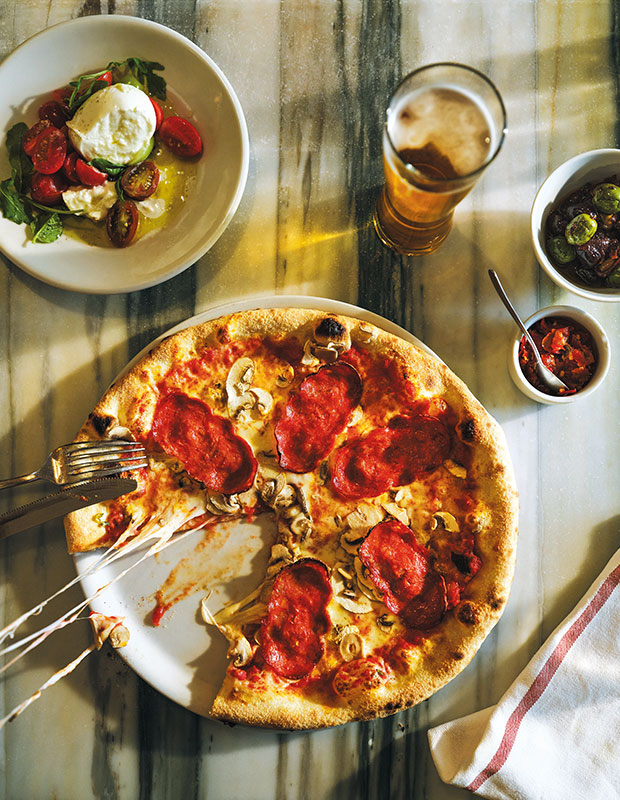
Terroni’s Pizza San Giorgio.
Over the years, Cosimo has stuck to his gut. He’s the driving force behind the restaurant’s “no modifications, no substitutions” rule which, at times, has caused friction. “Some people don’t come to my restaurants because I don’t cut their pizza, I don’t put Parmesan on seafood pasta and I don’t serve Diet Coke,” he says.

Terroni’s Funghi Assoluti.
“It’s gotten better over time, but there have been a lot of disagreements with guests. We do things a certain way for a reason,” Cosimo says.

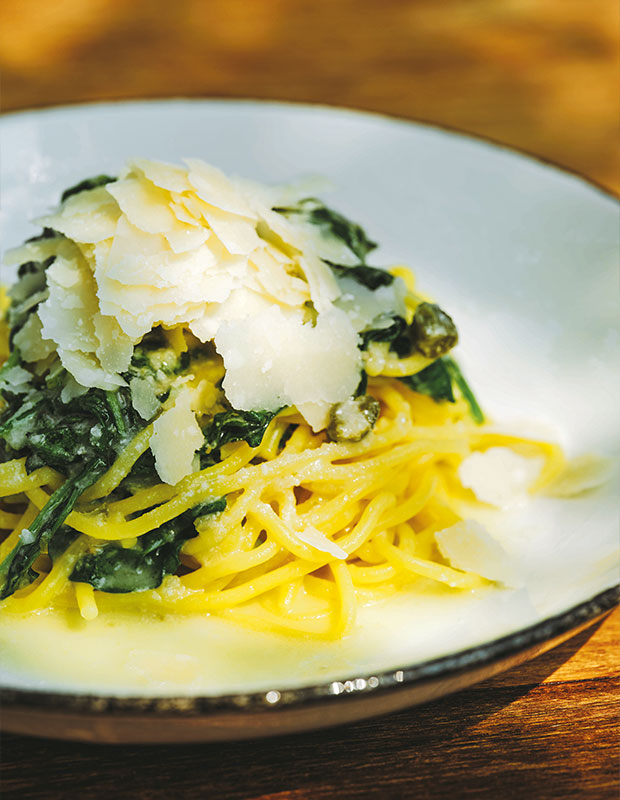
Terroni’s Spaghetti al Limone.
Today, Cosimo finds that young people are also contributing to the celebration of Southern Italian cuisine. “They’re more educated, they travel, they’re curious about food,” he says. “My kids know what carciofi — artichokes — are. When I was their age, I was completely unaware.”

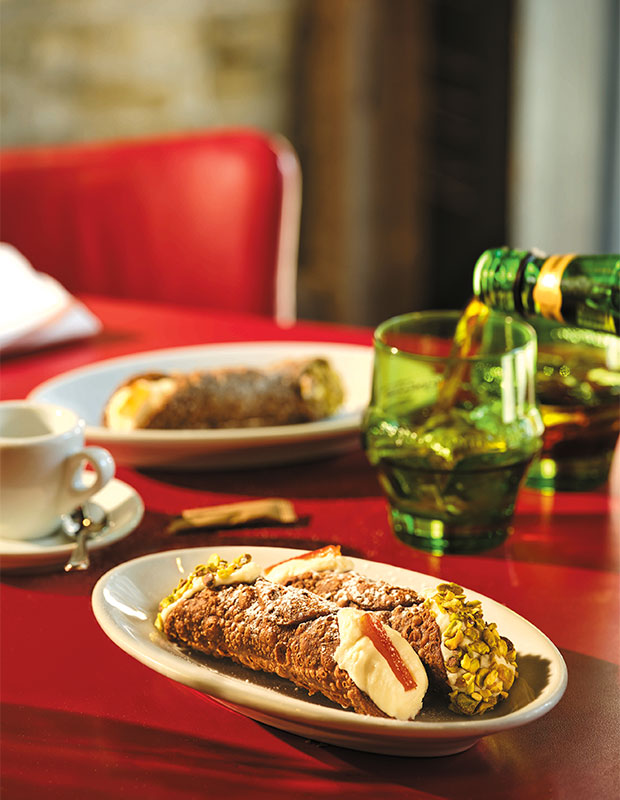
Terroni’s signature Cannoli.
I, for one, am thrilled that these traditional Italian dishes full of homey flavours can be created in my own kitchen.

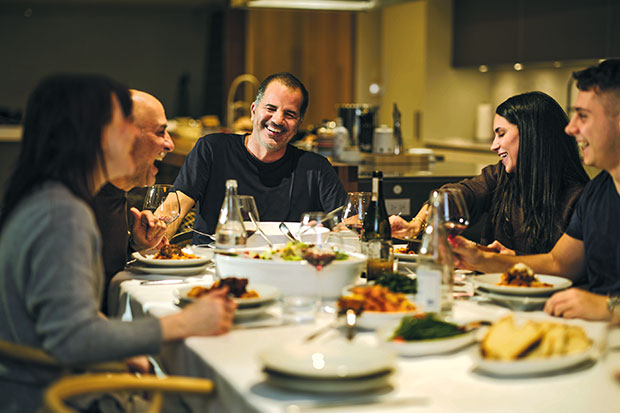
A shared meal with colleagues and family. From left: Terroni executive chef Giovanna Alonzi, actor Carlo Rota, Cosimo, his daughter Simona Mammoliti and nephew Costa Siclari.
Cosimo agrees. “I’m excited to be able to bring our recipes to a wider audience.”
- Photographer Jim Norton