

Emma Reddington Shares Her Top 10 Decorating Lessons




Not all decorating rules need to be followed, but there are some do’s and don’ts that just make sense.
Not only will they make your life easier and more comfortable, but they’ll look great as well. Scroll down for 10 decorating lessons to heed in your next home renovation!

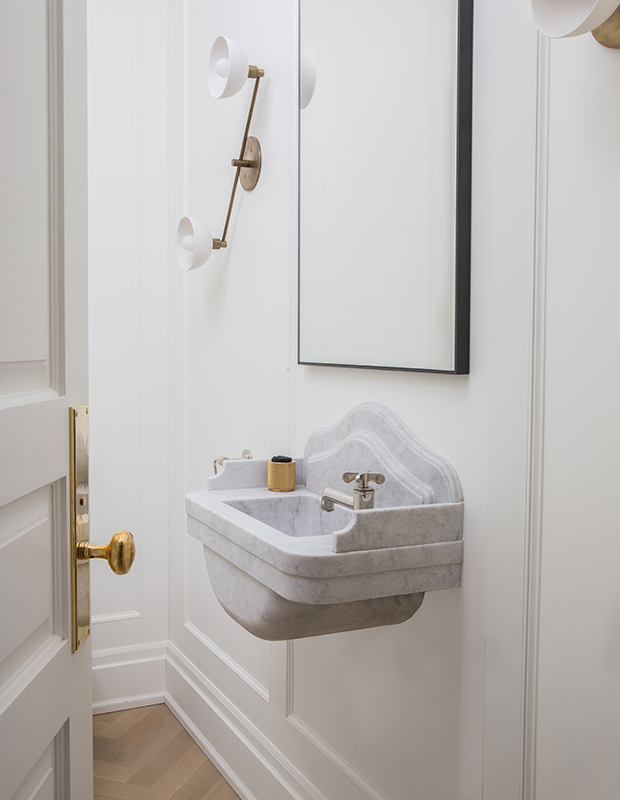
Lesson #1: Install Bathroom Wall Sconces 5’-6’ From The Floor
Many design rules are based on simple ergonomics or how design works to make a space efficient and safe for people. Since most people are between five and six feet in height, it makes sense to place a wall sconce around eye level. This will provide the proper amount of illumination for doing any kind of task.

Lesson #2: Keep Historic Elements
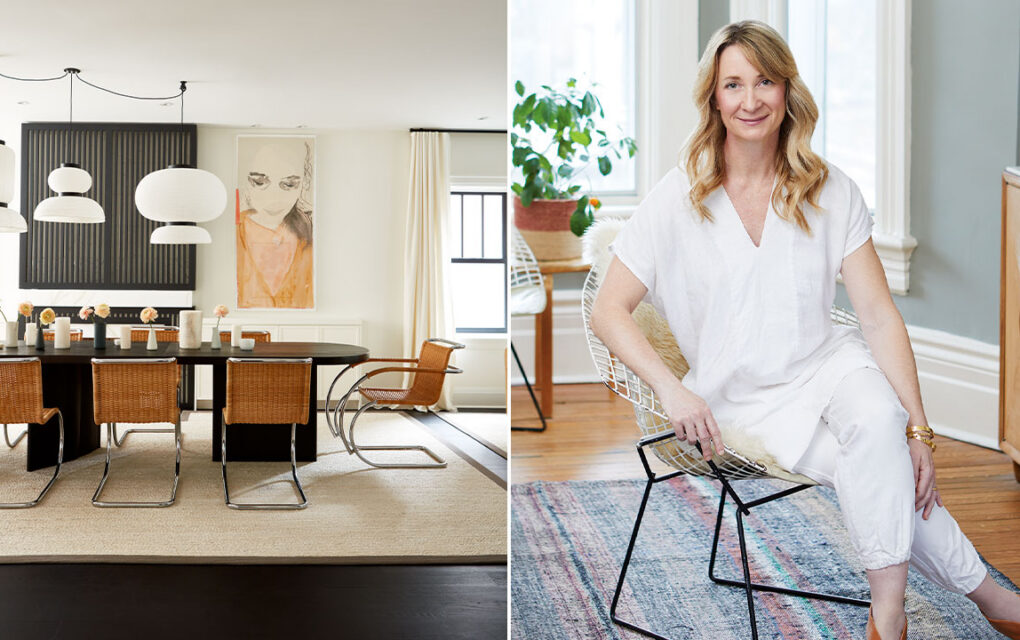
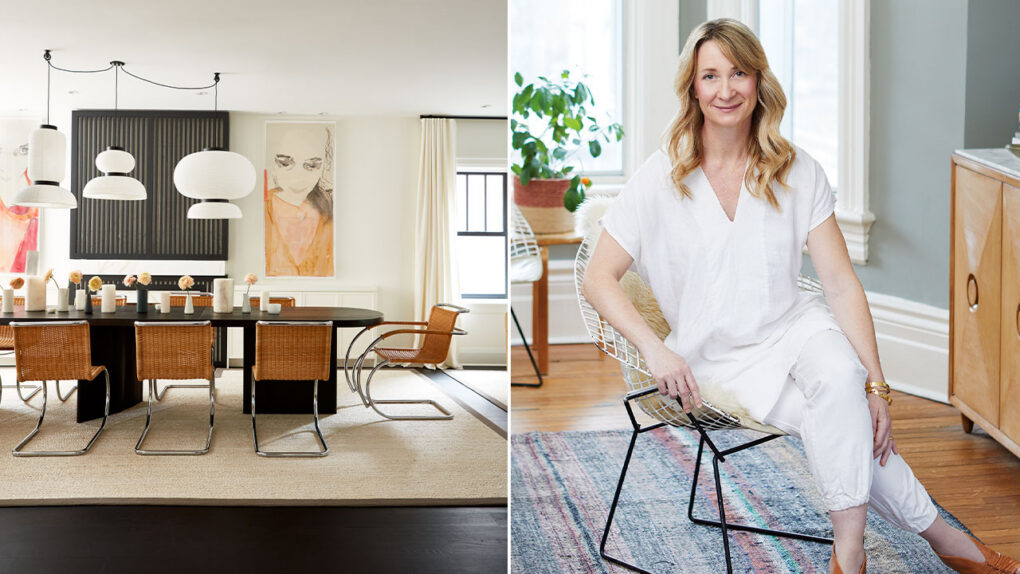
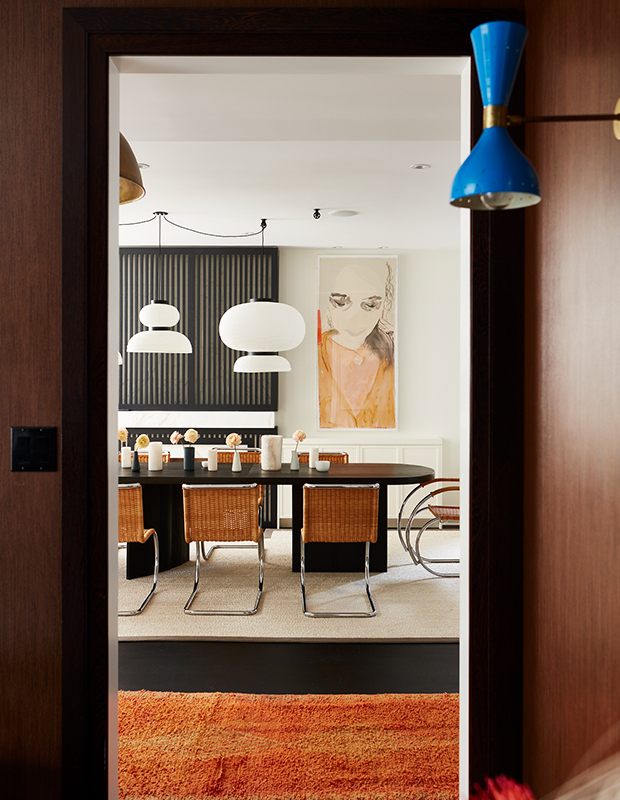
If you love contemporary or modern design and can’t wait to strip out all the fussy details of years gone by, think again. Often these unique, quirky elements give your home character. Paint is a great way to breathe new life into ornate or heavy moulding. The choice of furniture, like in this dining room by Cathy Radcliffe and Teigan Jorgensen, can also really propel a room into the 21st century.

Lesson #3: Book Shelves Should Be A Minimum of 12″
When bookcases flank a fireplace, a common mistake is to mirror the depth of the fireplace. Unfortunately, many mantels only protrude 6-9 inches from the wall making them too shallow for most books. In order for the shelves to be functional, the minimum depth should be 12 inches. If you have a good collection of art books you may even want to go deeper. Before installing the cases, do a quick measure of your books and find the size that works best for both your collection and the overall look of the room.

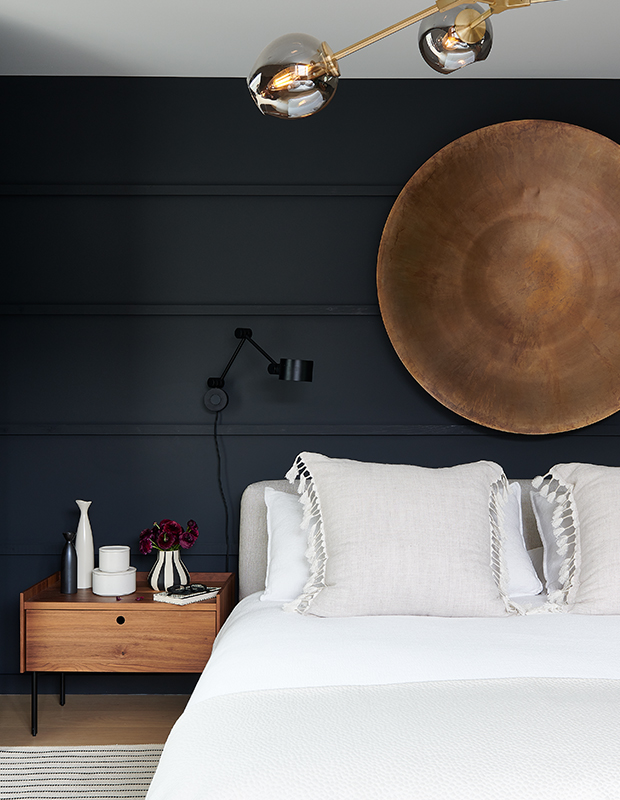
Lesson #4: Bedroom Sconces Should Sit Just Above Your Shoulder
The main function of bedroom wall lighting beside a headboard is for reading or other activities you might do while sitting up in bed, like knitting. The ideal place for the light to hit is right over the top of your shoulder so it minimizes shadows. The easiest way to get this measurement is to have someone measure the height of the floor to just above your body.

Lesson #5: Place Furniture Legs On Area Rugs
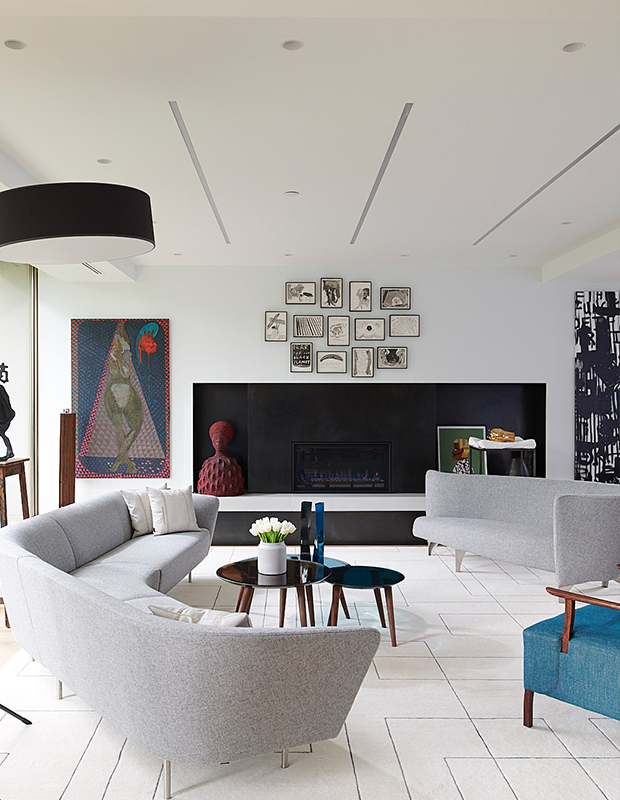
At a minimum, your area rug should allow for the front legs of the sofa and all lounge or occasional chairs to sit on top of it. A rug that is too small will shrink a living room and make the furniture look awkward. In this room, designer Mazen El-Abdallah decided to float all of the furniture on top of the rug, which accentuates the symmetry of the room.

Lesson #6: Curtains Should Be Hung In The Top Third Of A Room
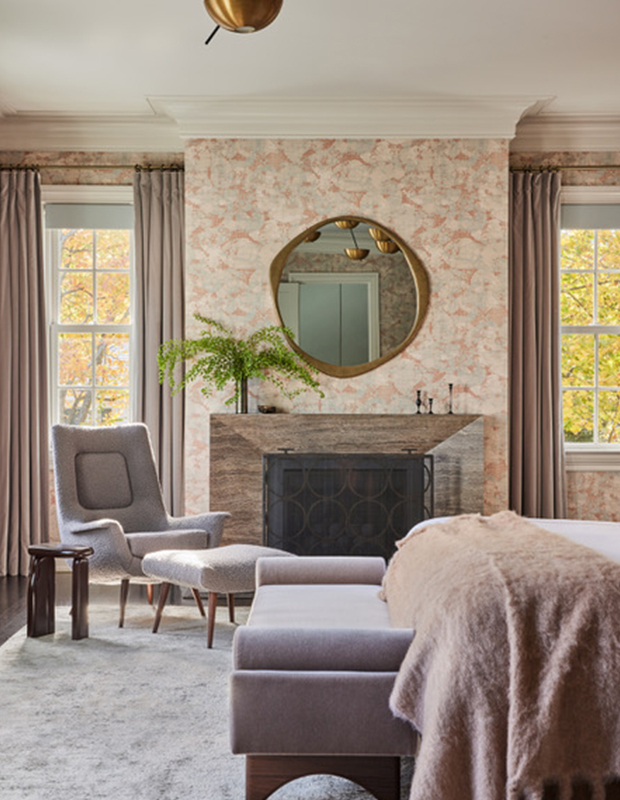
The placement of curtains can be confusing, especially if you are buying them off the shelf. The problem most people run into is that the stocked lengths aren’t actually long enough for their room height. There are two rules you need to follow. First, install the curtains in the top third of the room above the window frame. Secondly, make sure the curtains skim or kiss the floor. To achieve this you might need to invest in custom curtains, or get crafty and add a bottom panel to ready-mades to get the desired length.

Lesson #7: Allow 3′ From The Edge Of A Table To The Edge Of The Rug
When a dining chair is pulled out from a table, all four legs should rest comfortably on the rug. You don’t want to the chair to rest half on and half off! This will require a rug that is approximately 3′ wider when measured from the edge of the tabletop. Additionally, flatwoven rugs with no fringe are the best option to provide ease of movement.

Lesson #8: Benches At The Foot Of A Bed Should Be 6-8” Narrower Than The Bed Frame
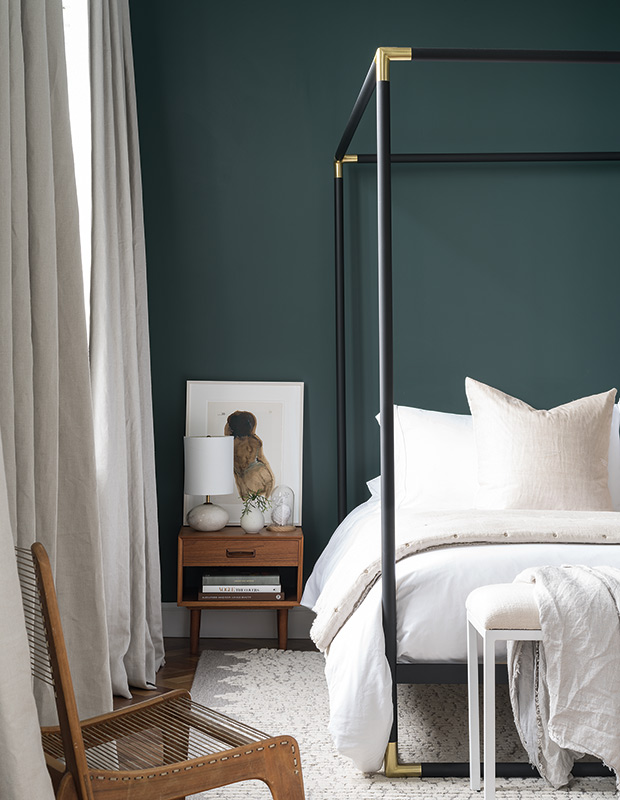
Putting a bench at the foot of your bed can make it feel complete (plus it’s a great place to sit to put on your socks!). A bench that is 6-8” shorter than the bed frame will look best. For a queen-sized mattress this means a 45” wide bench or a 63” wide bench for a king bed.

Lesson #9: Float Sofas
Sofas always look best when you can provide them with some room to show off their shapes. Even if square footage is at a premium, pulling your sofa even a few inches away from the walls will make the room feel better.

Lesson #10: Dining Room Pendant Lights Should Measure Half The Width Of The Table
Good design is all about playing with proportion to make a room feel balanced. To determine a dining room pendant light’s proper scale, it should measure half the width of the table top.