
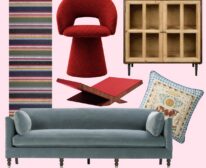
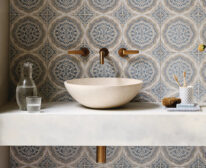
Calling All Minimalists! Japandi Style Is The Perfect Mix Of Cozy & Zen
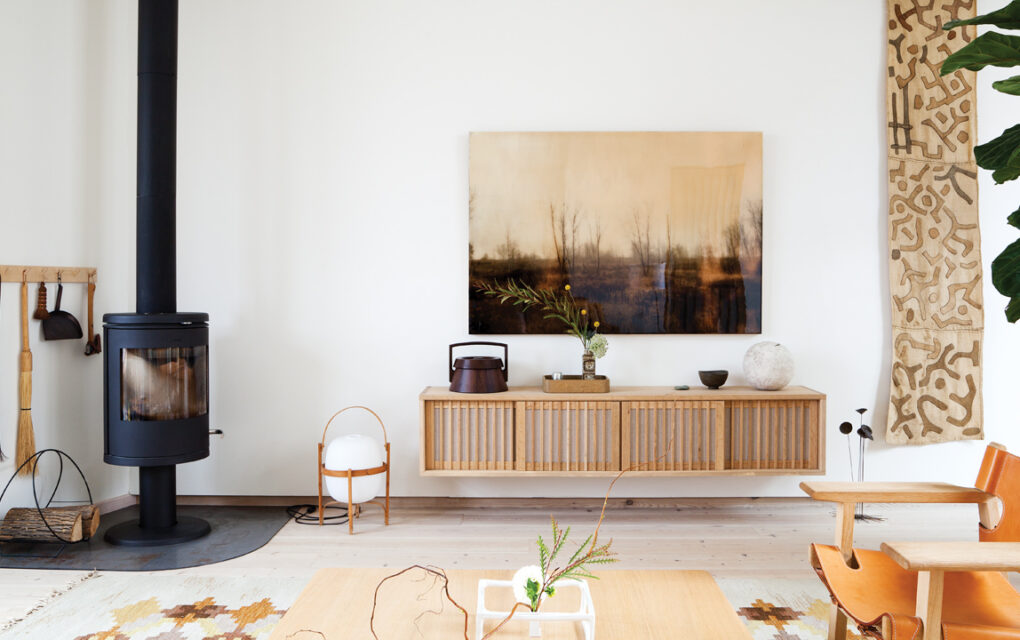
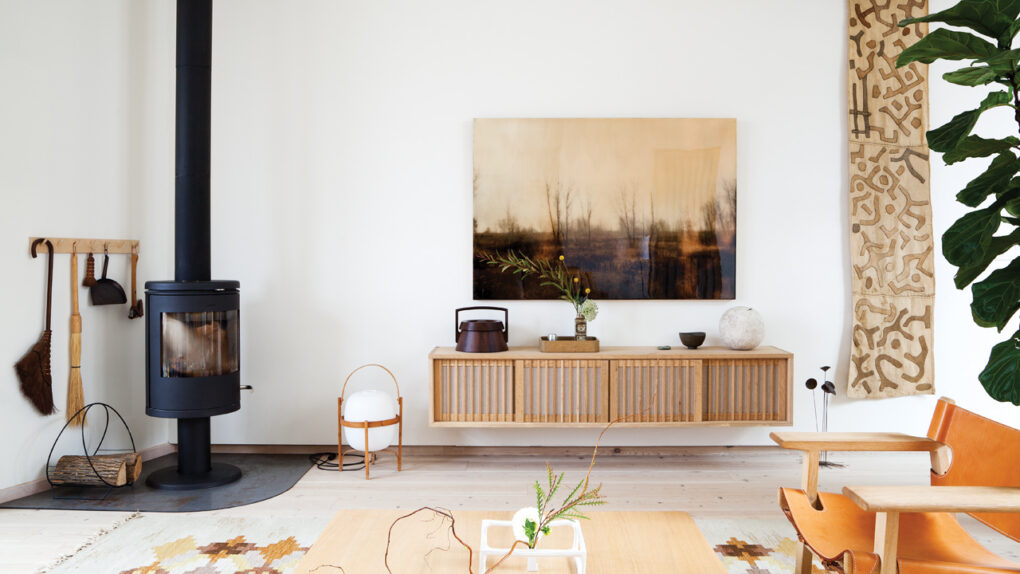
If you love natural materials, clean lines and clutter-free spaces, Japandi style may be right up your alley.
Although Scandinavia and Japan are roughly 8,000 kms apart, in the world of design, there’s plenty of overlap. As the name suggests, Japandi decor is a marriage between Japanese ‘wabi-sabi‘ (the belief that there is beauty in imperfection) and the Scandinavian notion of ‘hygge‘ (a Danish and Norwegian term for coziness). Click through for easy ways to bring this down-to-Earth trend in your own home.

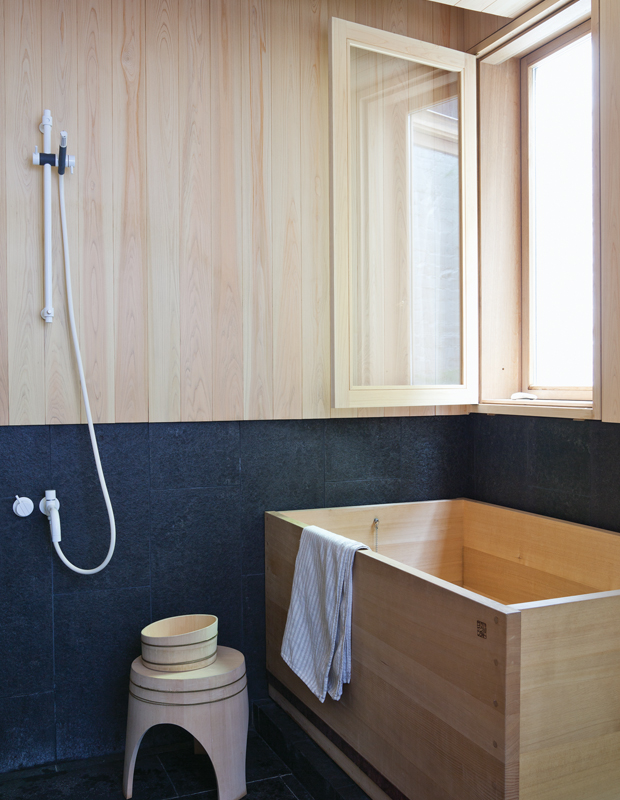
A Hinoki cypress soaker tub gives this small bathroom a Japanese onsen feel and black granite is an eco-friendly choice for tile. Choose streamlined shapes and durable natural products whenever possible to achieve a Japandi vibe in your own oasis.
House & Home July 2015

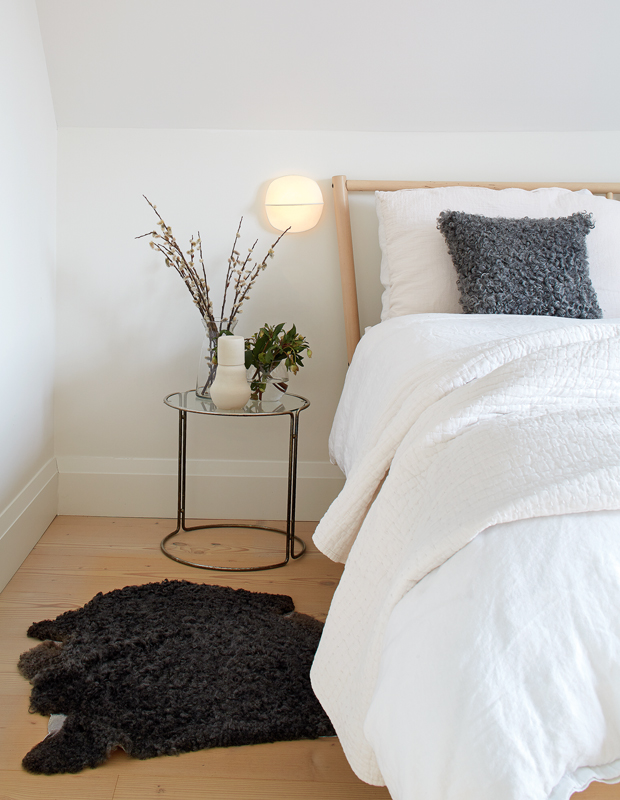
Black lambswool accessories conjure up that quintessential Scandi hygge coziness while pared-back white linens create a feeling of calm. To achieve a similar look, opt for bedding free of frills or loud patterns and add visual interest with nubby textures.
House & Home December 2020

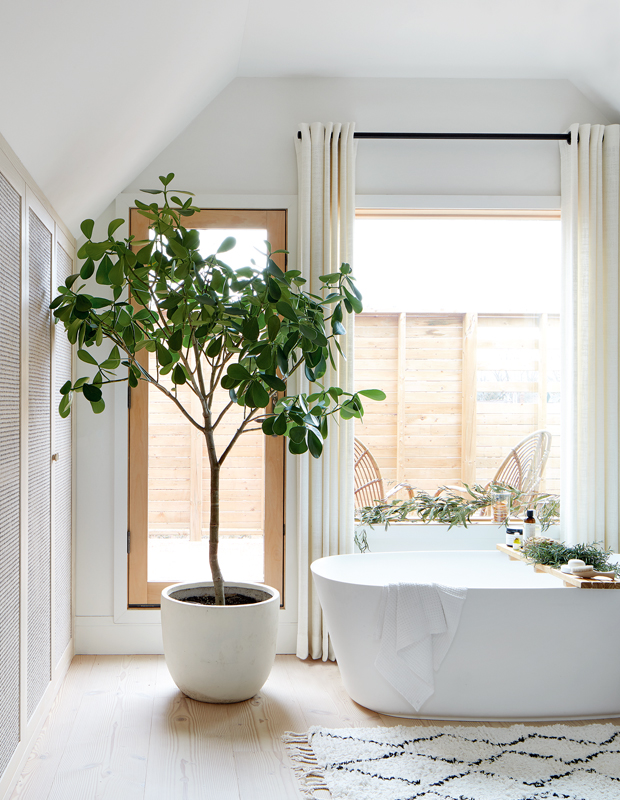
A principal bathroom with large windows, a private terrace and an oversized potted plant drives home the indoor-outdoor feeling Japandi is known for. Bringing plants into your home is an easy way to further your connection to the outdoors whether you’re living in a small apartment or spacious abode.
House & Home December 2020

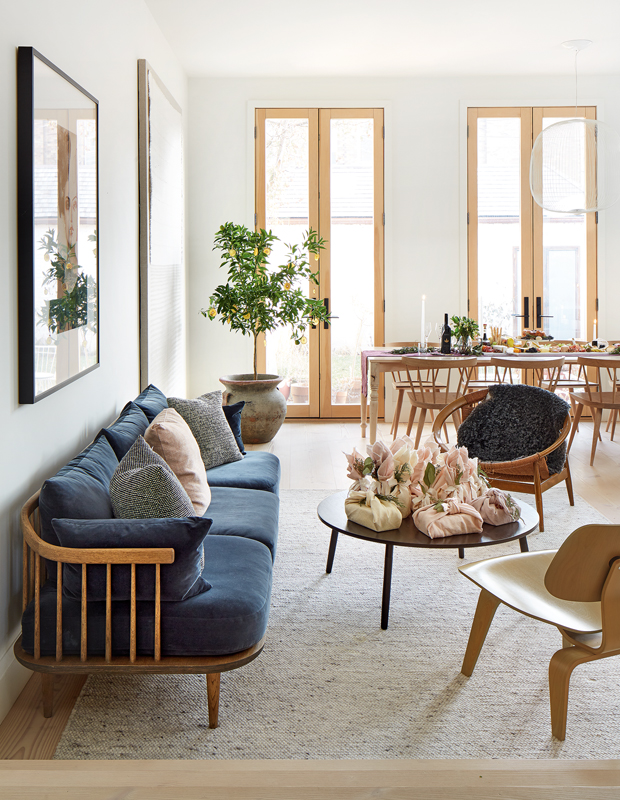
Blond wood certainly reigns supreme with Japandi style. Balance the light look with dark accents like artwork framed in black, navy velvet upholstery and contrasting door hardware.
House & Home December 2020

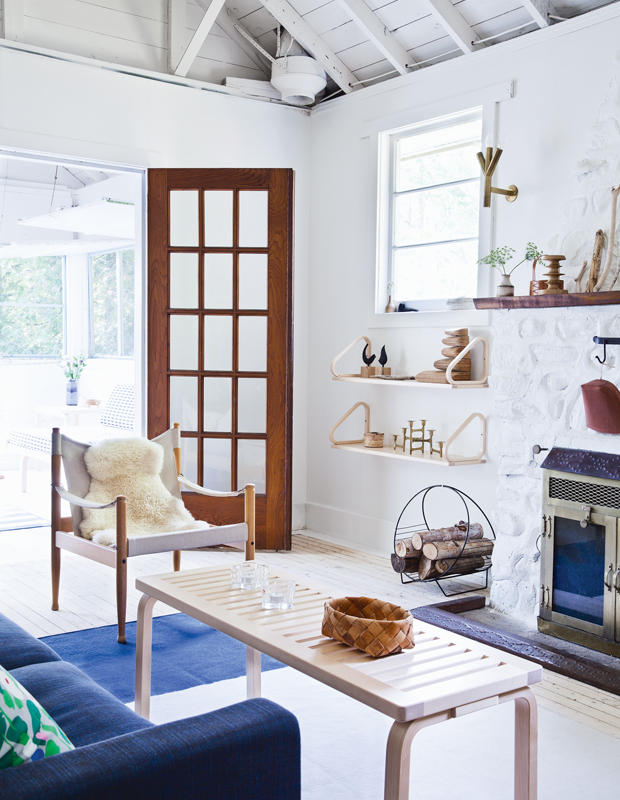
If darker wood stains are more your style, fret not because they still work with Japandi interiors. This wartime guest cottage proves medium-stained oak French doors look at home next to a pale beachwood Safari chair and a light wood coffee table.
House & Home July 2015

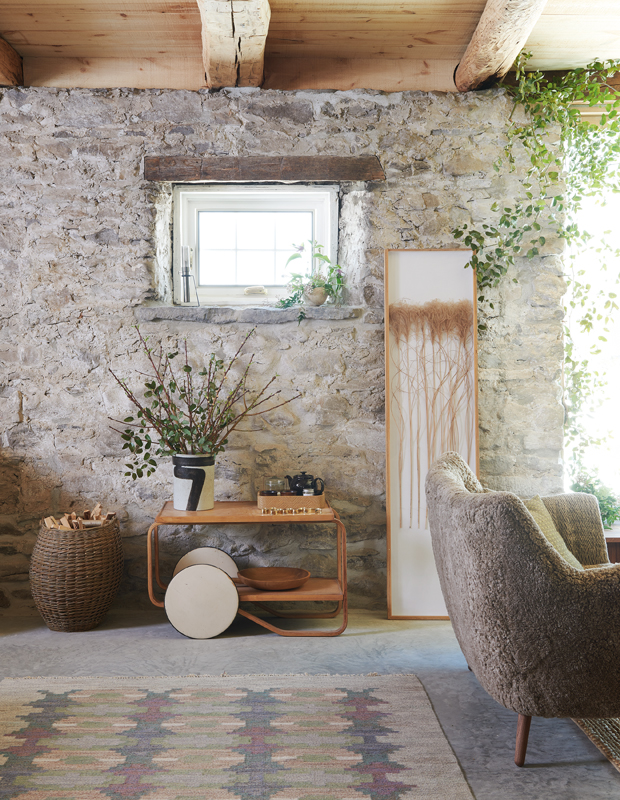
Dried florals framed in wood by Japanese artist Norihiko Terayama — a graduate of the Design Academy Eindhoven in the Netherlands — and a tea trolley by Finnish design great Alvar Aalto compliment each other beautifully. Look to nature for dried flowers and grasses in the winter months and elevate them in a gallery frame or handmade vessel.
House & Home October 2019

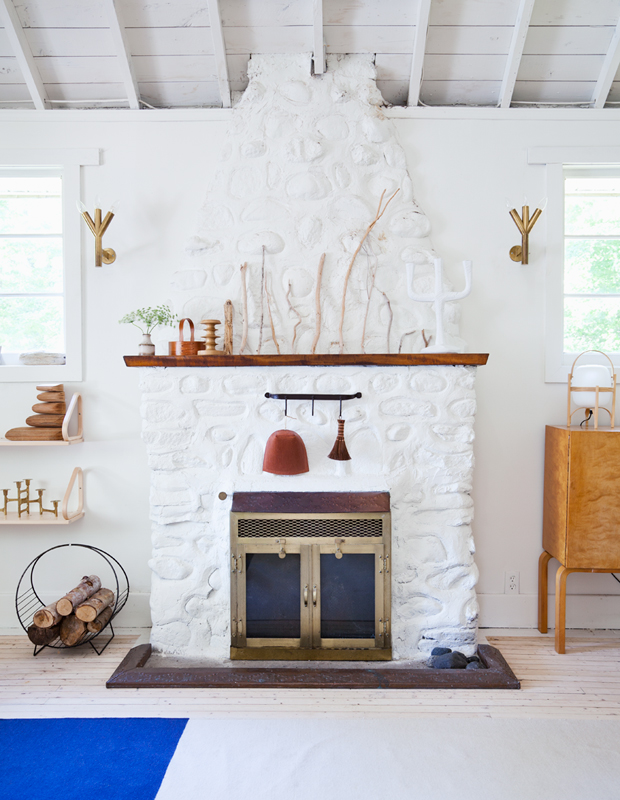
Peaceful color combinations consisting of neutral hues are the bread and butter of the Japandi palette. If you love bright hues, try incorporating them in subtle and intentional ways. Here, a cobalt blue accented rug is offset with a plastered fireplace and crisp white walls.
House & Home July 2015

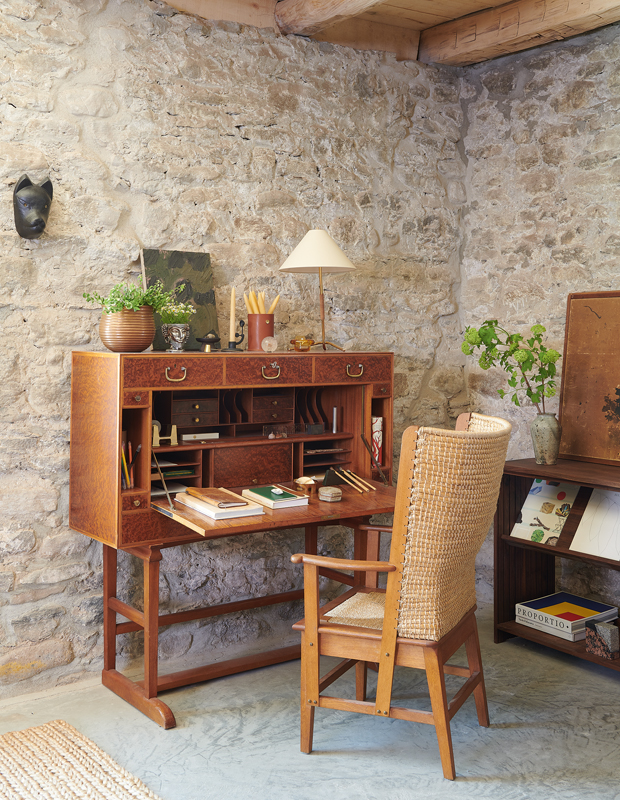
This 1920s Josef Frank secretaire is perhaps the perfect desk for a Japandi work station; it’s full of functional storage cubbies that can be easily hidden away proving that you don’t have to be a total minimalist to master this style.
House & Home October 2019

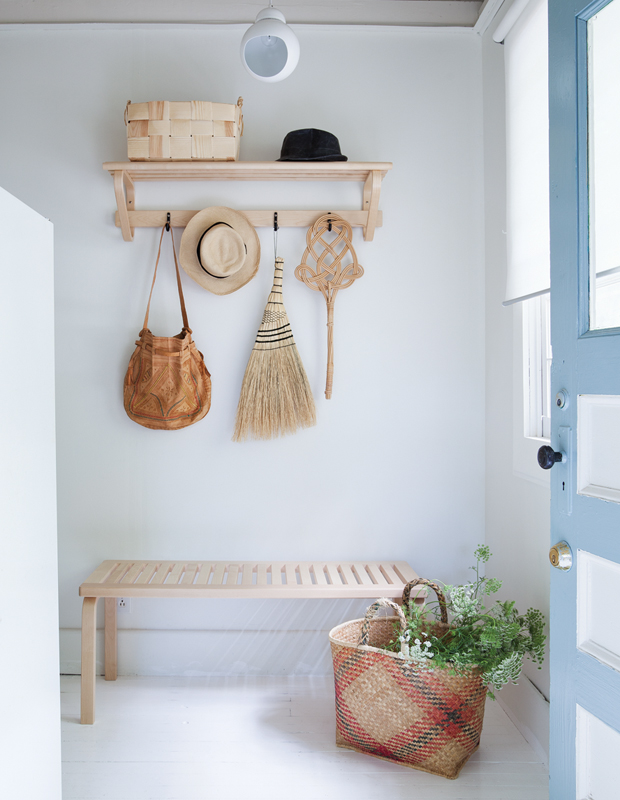
Japandi practicality shines especially bright in entryways like this one which has an Alvar Aalto bench for putting on shoes and a Shaker-approved shelf with handy hooks. Recreate the look in your own entry by looking for light wood storage pieces and attractive versions of everyday items like brooms.
House & Home July 2015

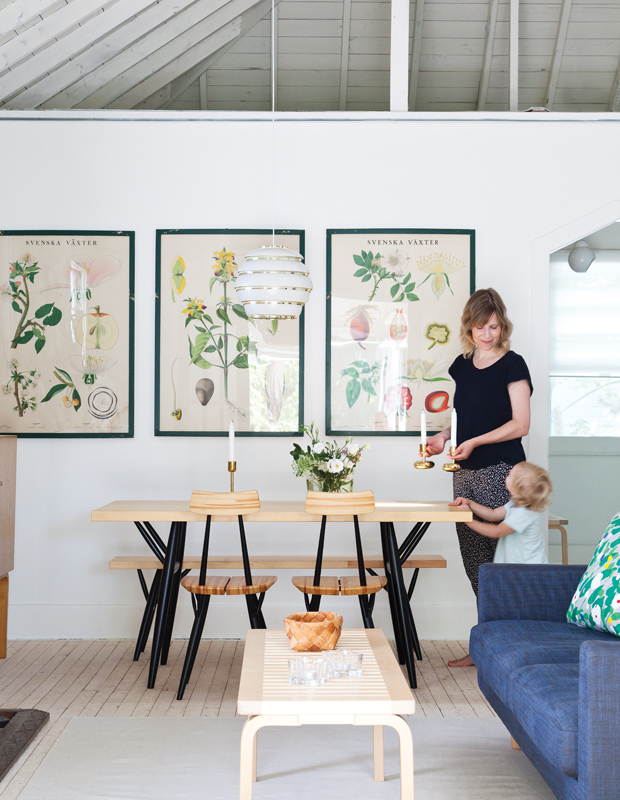
Generously sized Swedish botanical posters bring a garden feel to this dining area and introduce a Japandi-appropriate amount of color. When adding bright hues do so with restraint to keep your spaces feeling calming and meditative.
House & Home July 2015

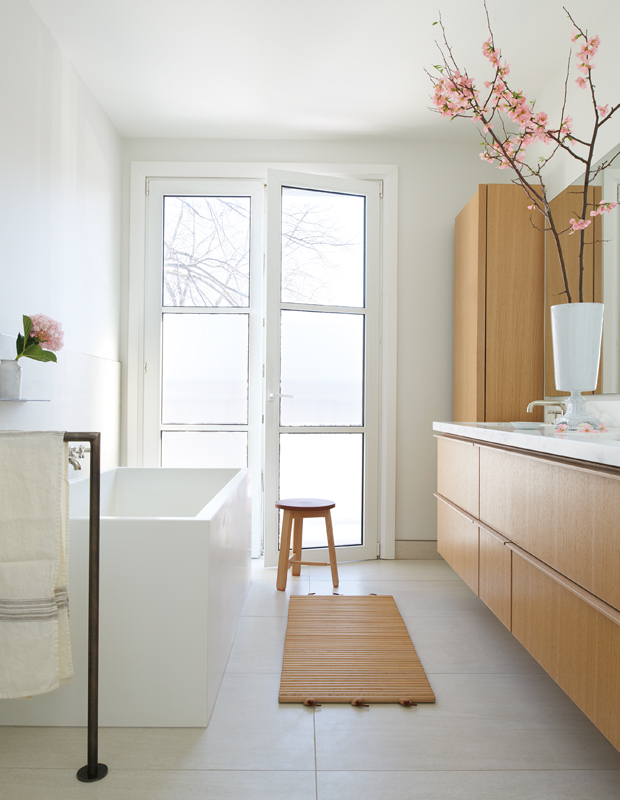
Functional yet streamlined furniture is popular in both Scandinavian and Japanese design. This floating white oak vanity packs a storage punch while still looking light and airy. For an easy dose of Japandi, fill a vase with cherry blossom branches (known as “sakura” in Japanese) and place a small wooden stool next to your tub.
House & Home June 2016

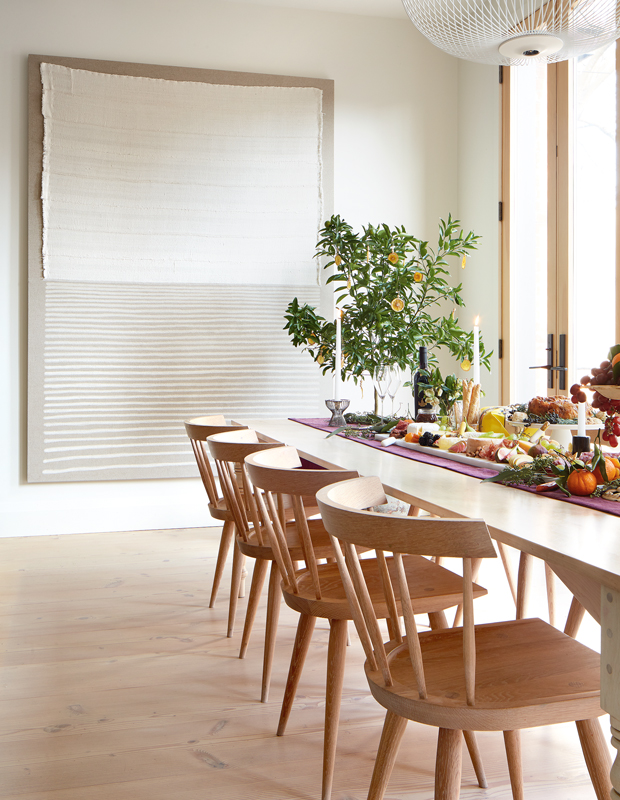
When it comes to finding art for your Japandi home, look for pieces with plenty of texture instead of color. In designer Alison Milne’s dining room a muted painting on canvas by Alexander Jowett picks up on the gray tones in the sustainably sourced Douglas fir flooring.
House & Home December 2020

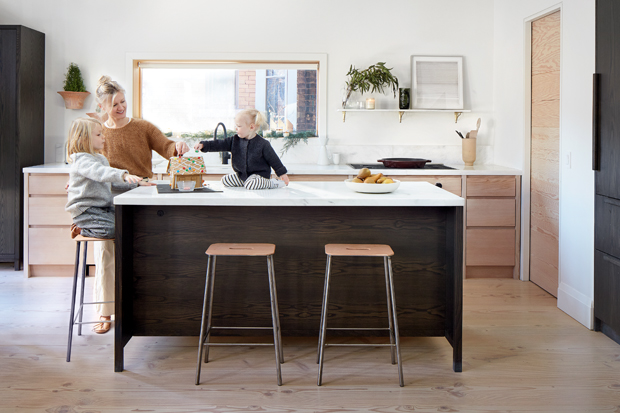
“We kept elements that evoked the history of the house and used them as the foundation, then brought the rest up to this moment in time in a Japaneseand Scandi-inspired style,” says Alison. In order to create a Japandi kitchen that is family-friendly, consider natural materials with textures that easily disguise wear and tear, like marble with a “leathered” finish.
House & Home December 2020

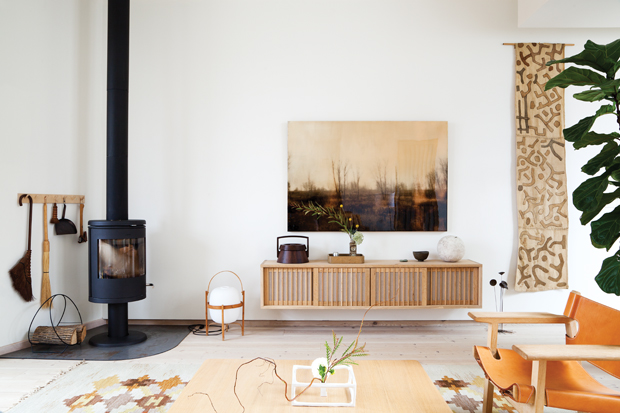
A floating cabinet with panelled doors is inspired by Japanese Shōji room dividers. To master Japandi style, focus on quality not quantity, incorporating well-built furniture that will last rather than disposable pieces.
House & Home July 2015

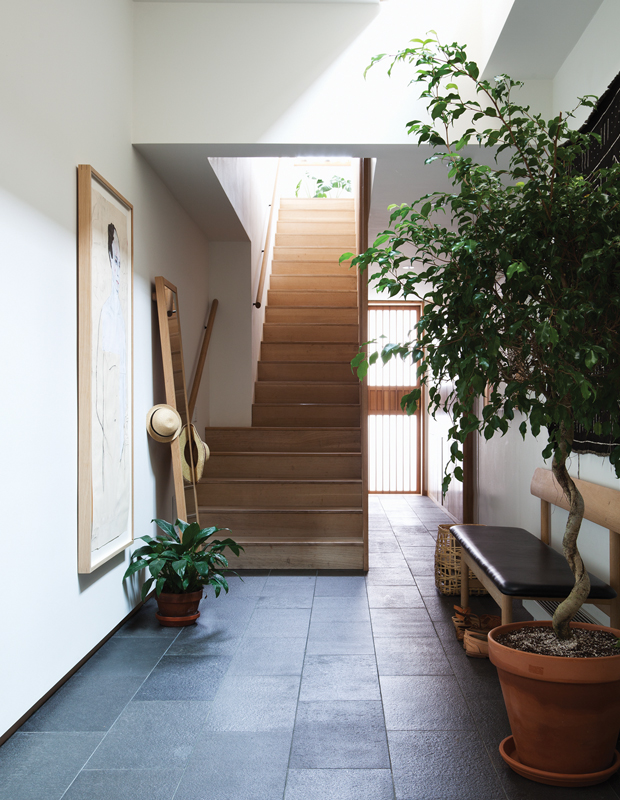
Oversized granite floor tiles have a grounding effect in this entryway which is bathed in natural light thanks to a skylight above. The contrast of light and dark has a harmonious ying and yang affect, perfect for Japandi spaces.
House & Home July 2015

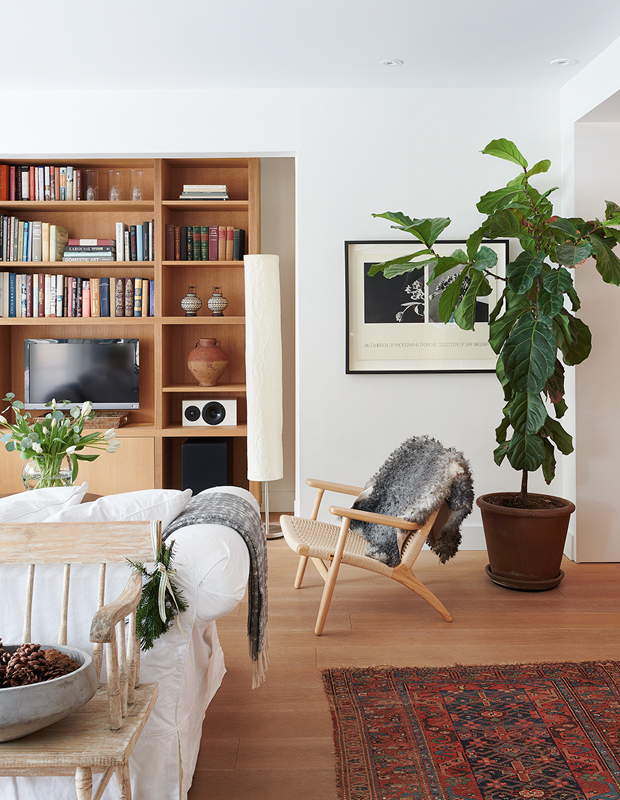
Furniture and accessories with patina and character are at the forefront of the Japandi movement. A vintage rug, weathered bench and aged terracotta pot are all great accessories for achieving a similar vibe.
House & Home November 2018

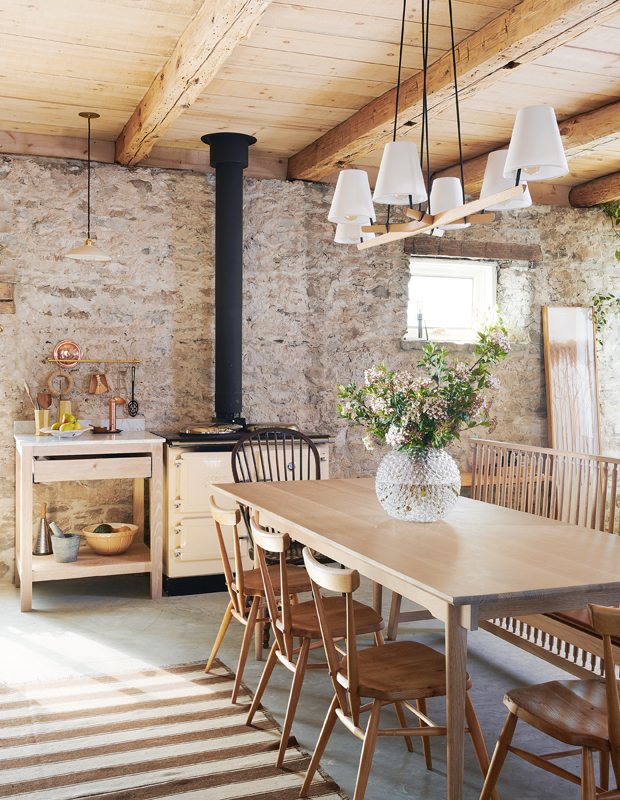
Rather than covering up the walls in this 170-year-old farmhouse with drywall, the homeowners left them uncovered to showcase their history. The raw, untouched look of the stone is a prime example of the Japanese wabi-sabi belief that there is beauty in imperfection. Pair rustic natural materials with streamlined pieces, like a Danish-inspired dining table and chairs.
House & Home October 2019

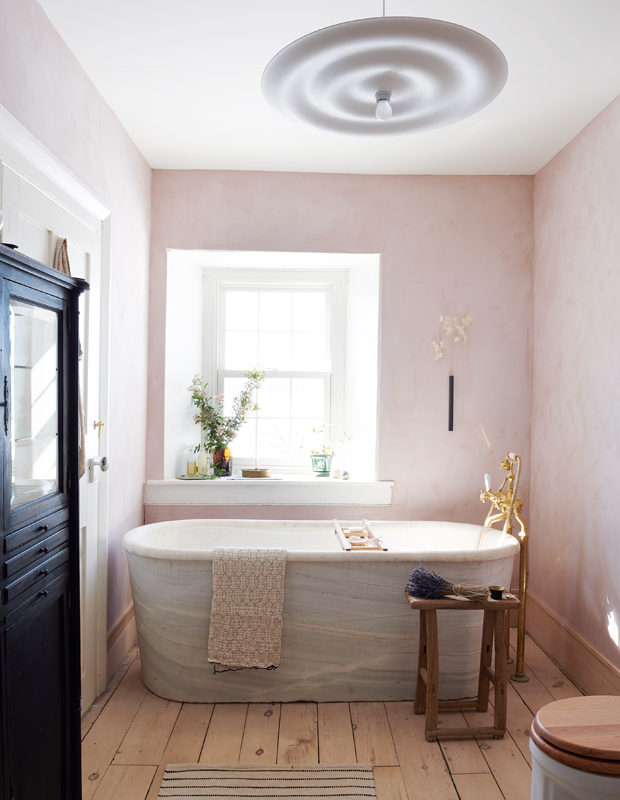
If you’re thinking this design trend only allows for monochromatic spaces, think again! Colors like pink or blue are equally welcome but look for muted renditions and soft pastels to uphold that peaceful Japandi feel.
House & Home October 2019

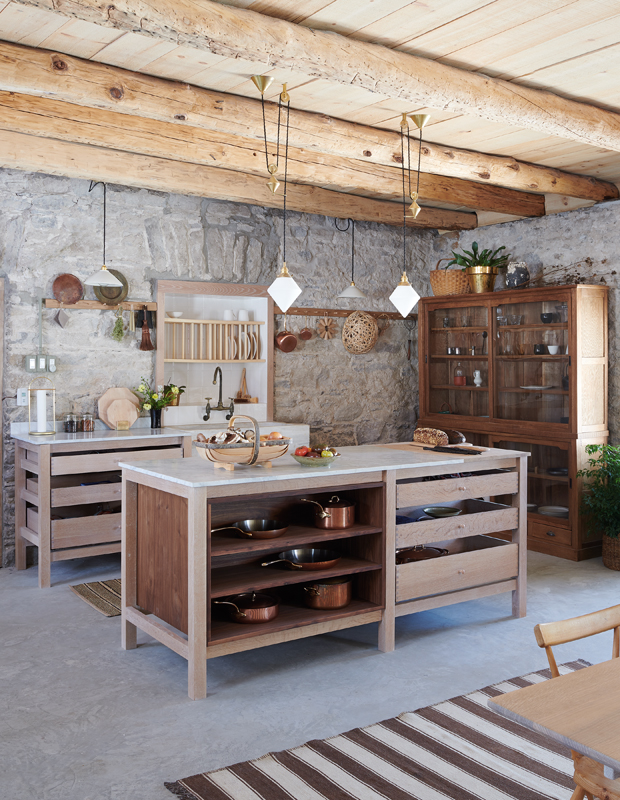
An antique cabinet imported from Tokyo (far right) offers freestanding storage in this farmhouse kitchen and solves the problem of not being able to drill cabinets into the old stone walls. Japandi style encourages us to look for pieces that will not only stand the test of time, style-wise, but also ones that solve design dilemmas.
House & Home October 2019

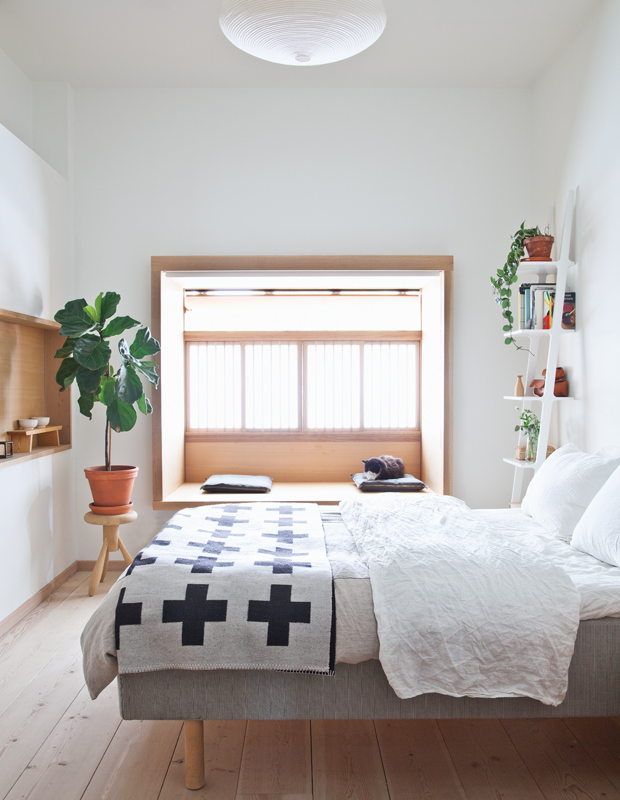
Furniture with low profiles are especially popular in Japandi homes. When furnishing your own bedroom, consider forgoing a high bed in favor of one like this, and incorporate as many plants as you can for that indoor-outdoor feel.
House & Home July 2015