


13 Fall Garden Tasks To Tackle Now


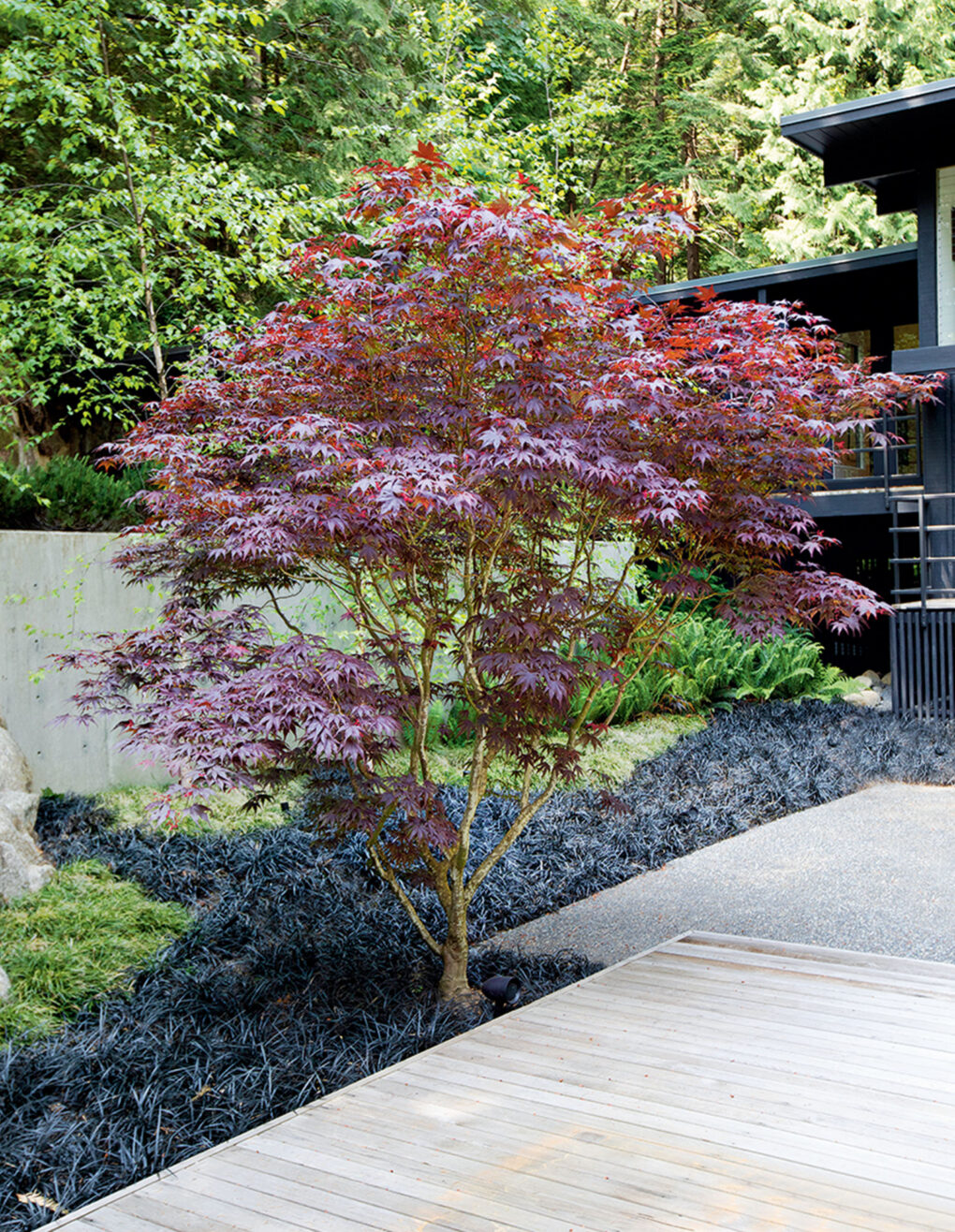


For many gardeners, fall is bittersweet.
While flowers fade, some beds are bursting with a bounty of veggies. There is still plenty to do to guarantee a fabulous effect next spring, so don’t pack your wellies and garden gloves away just yet. Here are 9 fall tasks to finish before the snow flies to ensure your garden shines next spring. Learn our best fall gardening tips below!

1) Remove Annuals
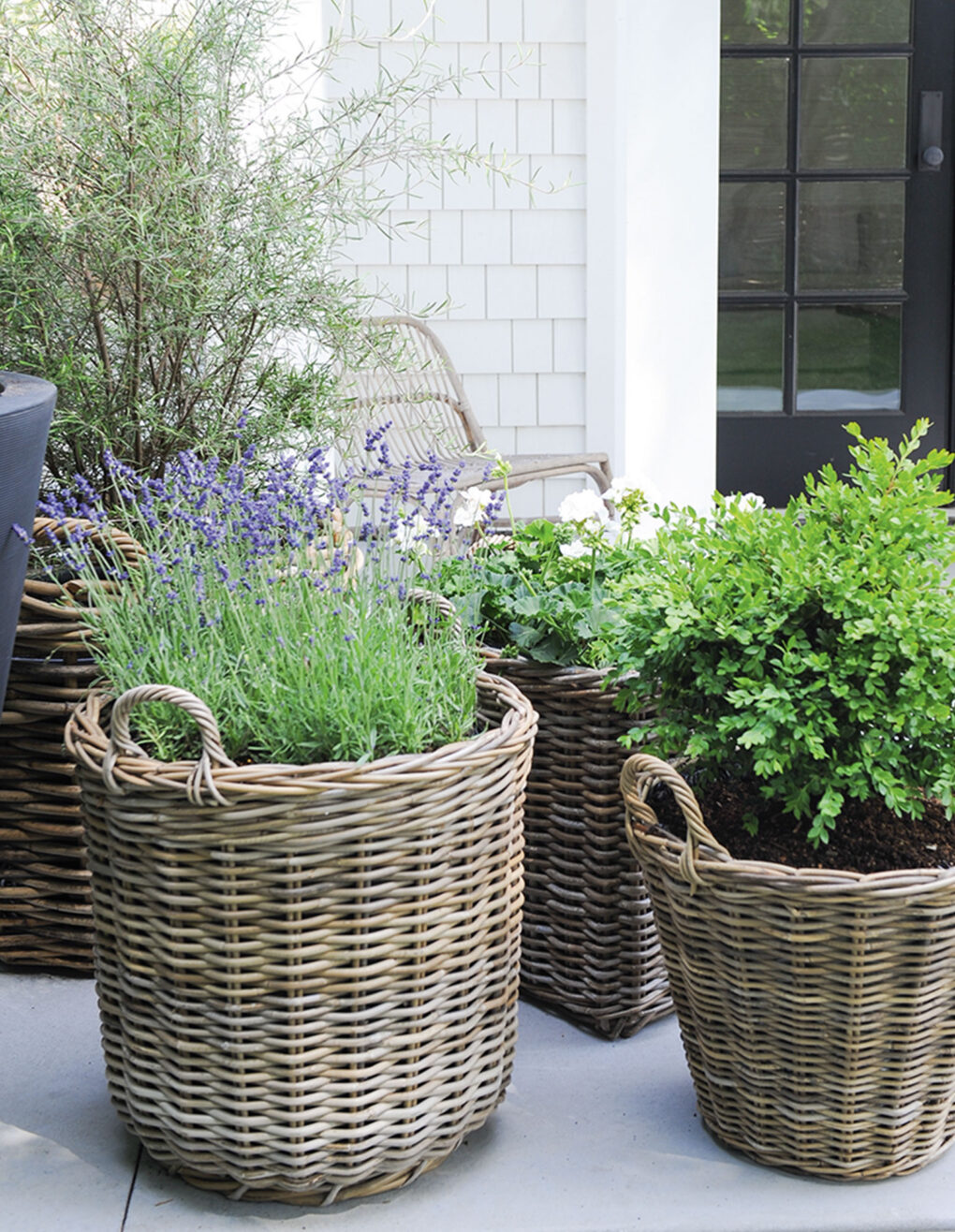
They provided reliable colour and fragrance all summer (like the basket of white geraniums, in the back row of this West Coast patio), but once fall comes around, annuals shrivel like the Wicked Witch of the West. You can overwinter herbs inside, or plant perennials like boxwood and lavender in beds, but annuals will need to be removed after the first frost.

2) Boost Blooms Next Spring
Good news! Spring and summer flowering plants tend to produce more flowers when they are planted the previous fall since they have more time to become established and reemerge larger the following spring. Bigger plants produce more flowers and garden pests aren’t as active in the fall months. Less stress from insects means that plants can spend more energy on root development, rather than fighting off attackers.

3) Protect sensitive perennials and shrubs
Mulch helps to keep the soil a consistent temperature so if you planted new perennials and shrubs this summer, spread mulch around the base to prevent rootballs from heaving out of the ground during the freeze/thaw cycles of winter. Heap a pile of shredded leaves or evergreen boughs on top of plants with cold-sensitive buds (like Hydrangea macrophylla) once they go dormant to help them survive the winter months.

4) Plant a Tree
The best time to plant a tree in fall is six weeks before the first frost. That date can vary according to your province, so check this calendar from Grower’s Guide. If you miss those planting windows, plant them anyway since the roots are safer below ground than nursery pots over the winter.

5) Banish Weeds
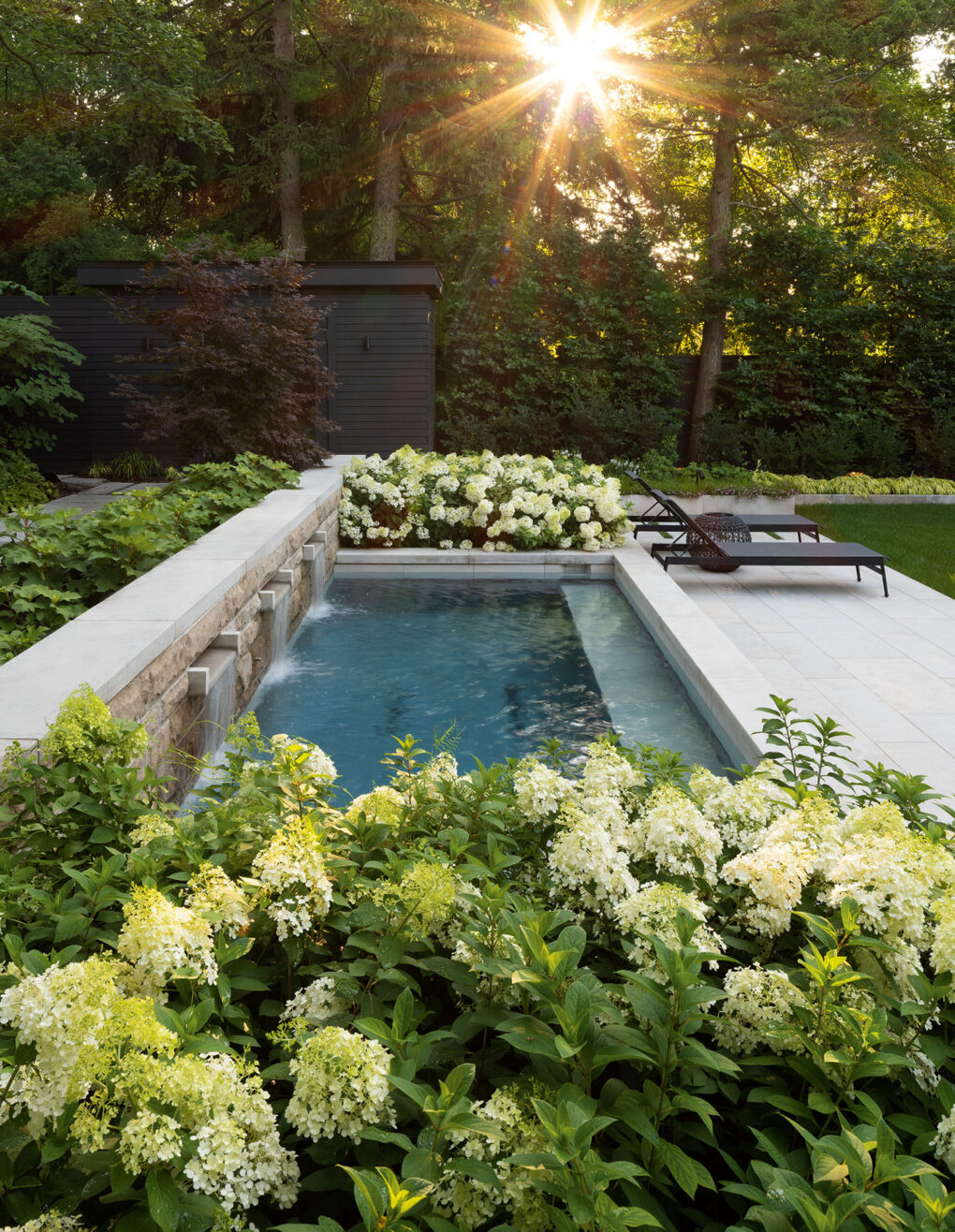
Weeds like thistle and crabgrass all develop seed heads in the late summer and fall. Weeding becomes even more important in late summer and autumn since a mature weed can produce hundreds — if not thousand — of seeds that will sprout into weeks next year. If the soil is hard and dry, water a few house before to loosen the soil and make weeding earlier. In Rosie Daykin’s enviable West Coast garden, easy-care ground cover like hosta and ferns help tamp down weeds.

6) Clean Containers
Don’t leave pots full of soil outside over winter because the temperature fluctuations can cause cracking. Give pots a good scrub so they will be ready for planting next spring.

7) Tend Supports
Those obelisks, tuteurs and support that helped support your veggies need some TLC in fall before storing them inside. Remove all stakes and supports and wash off debris and soil, then treat them with a preservative to prevent rust if they are made of metal. Keep support for early-spring corps, like peas close at hand so they can be easily accessed next spring.

8) Bring Tropicals Inside
If you have tropical trees that have been vacationing on your patio (or the outdoor shower in this Toronto home), it’s time to bring them inside once the nighttime temperatures dip below 12°C. Plants like this bird of paradise palm, hibiscus, lemon trees, or fiddle leaf figs will happily thrive in a sunny spot indoors.

9) Use Those Leaves!
Leaves will help keep weeds at bay, insulate your plants over the winter months and enrich the soil as the leaves break down. The leaves of one large tree can be worth as much as $50 worth of plant food and humus that improves soil structure (don’t use wet or mouldy leaves, it can invite fungal disease and pests). Run a lawn mower over the leaves a few times to shred and pile on raised beds in the late fall as the ground begins to freeze.

10) Dig Up Dahlia and Tender Tubers
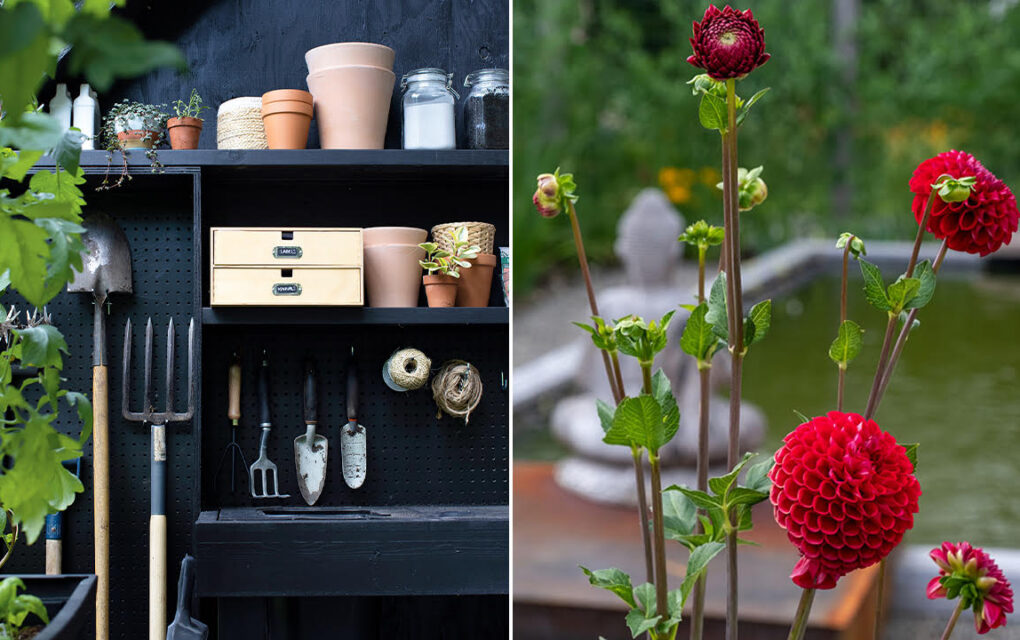
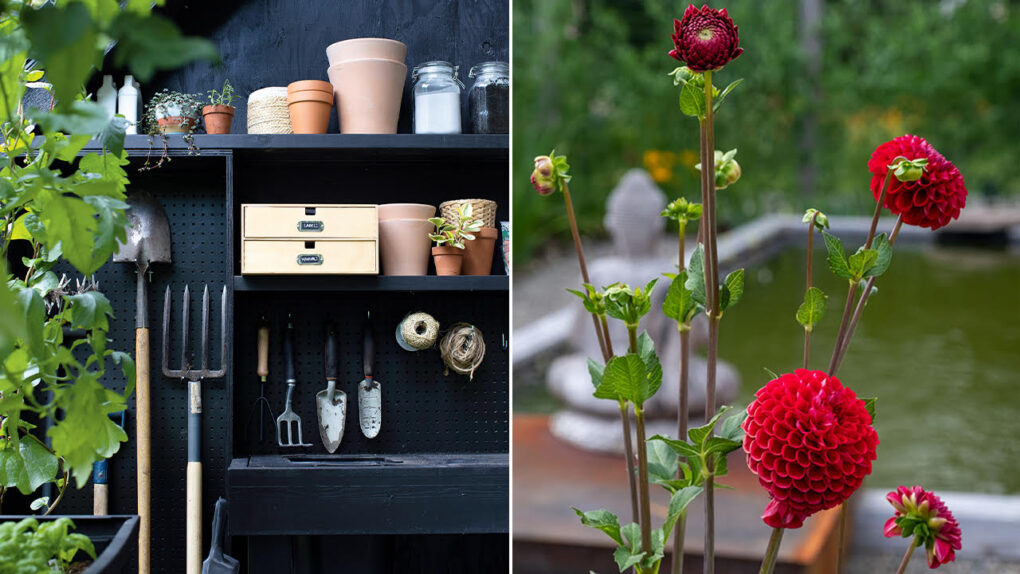
If you want to give bulbs like dahlia, canna and gladiola an second life, you can save them over the winter and re-plant them the following year. First, cut the plant stem about six inches above the soil. Leave the tubers in the ground for a few days (this helps it develop new eyes) and then, carefully dig around tuber to loosen the soil and pull them out of the ground. Place tubers on cardboard to dry and store in a bag with sawdust.

11) Prep Garden Tools
If you haven’t been cleaning and disinfecting pruners and shears after each use to prevent the spread of disease-causing pathogens, fall is an opportunity to wipe off blades to remove dirt and dried sap. Disinfect using a 9-parts water to 1-part bleach mixture (TSP or rubbing alcohol works too). In this greenhouse, the pruners and loppers are kept close to the door — handy for cutting evergreen boughs for holiday planters and arrangements.

12) Repot Herbs
You can create an indoor herb garden in a sunny windowsill by repotting plants like rosemary, mint, oregano, sage, thyme, basil, dill and cilantro. Prepare fresh soil to give herbs the nutrients they need to thrive during a transition indoors. Cut the plants back slightly once you bring them inside; this helps control size and encourages new growth that will be better adapted to life indoors and check for pests.

13) Leave Something for the Birds
Seed heads and berries help sustain birds in the winter, so don’t make too clean of a sweep. Some bird favourites include chokeberry, crab apple, serviceberry and seed heads from coneflowers, sunflower, rudbeckia, sedum and scabiosa.
